Bu kapsamlı analiz, NASA’nın Ay keşfi için geliştirdiği teknolojilere odaklanıyor. Altyapıdan kaynak kullanımına, çevresel adaptasyondan iletişime ve genel olarak Ay üssü konseptine kadar önemli alanlar inceleniyor. İşte öne çıkan noktalar:
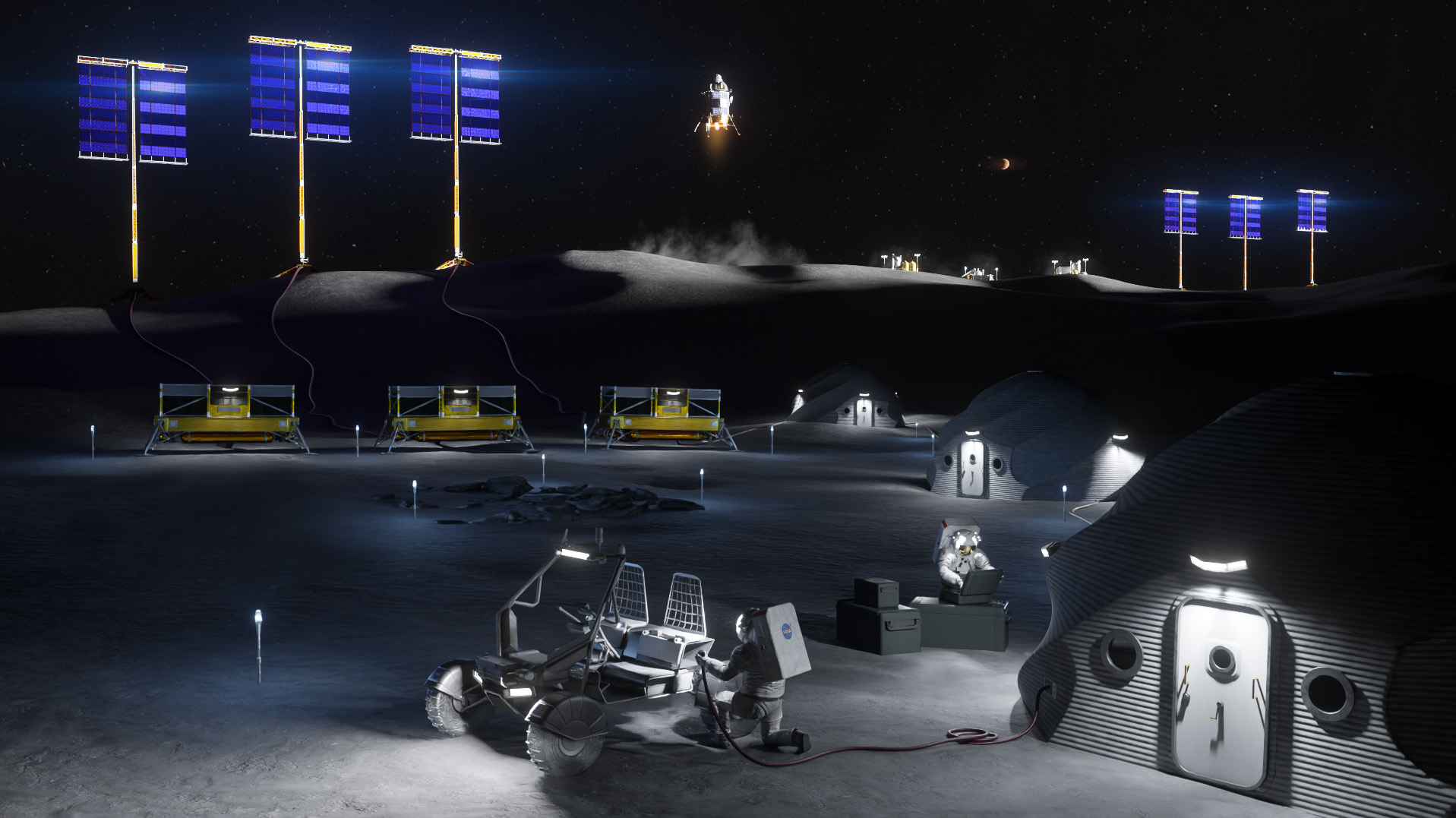
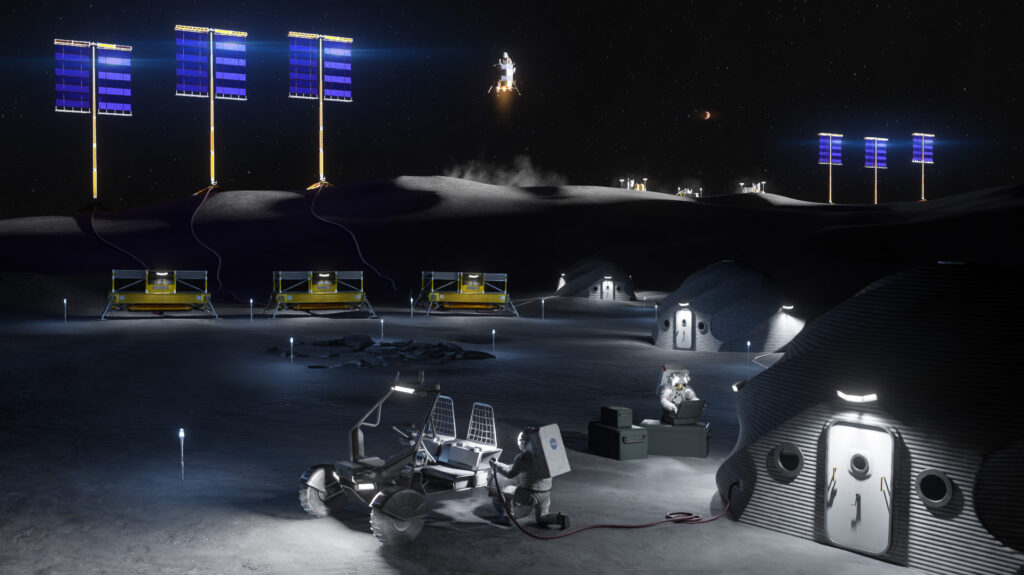
Artist rendering of astronauts working on a lunar base with various future technologies.
Digital Twins and Artificial Intelligence such as tools used in the Lunar Autonomy Challenge demonstrate how more than 50% of physical resources could be replaced with virtual tools.
NASA Space Tech flew five payloads to the Moon in 2025 as part of NASA’s Commercial Lunar Payload Services initiative, showing operational capability and returning valuable data addressing dust mitigation, environments, and communications capabilities.
During a Lunar Gravity flight test with Blue Origin in 2025, seven surface infrastructure technologies studied regolith mechanics and lunar dust transport in a simulated lunar gravity environment.
Artificial intelligence and machine learning techniques could help determine relative positioning on the lunar surface, allowing systems to efficiently access, navigate, and explore previously inaccessible surface or subsurface areas.
Nokia’s 4G/LTE Lunar Surface Communications System, a NASA Tipping Point investment, landed on the Moon in 2025, successfully powering up and transmitting operational data back to Earth, validating key operational aspects of the network.
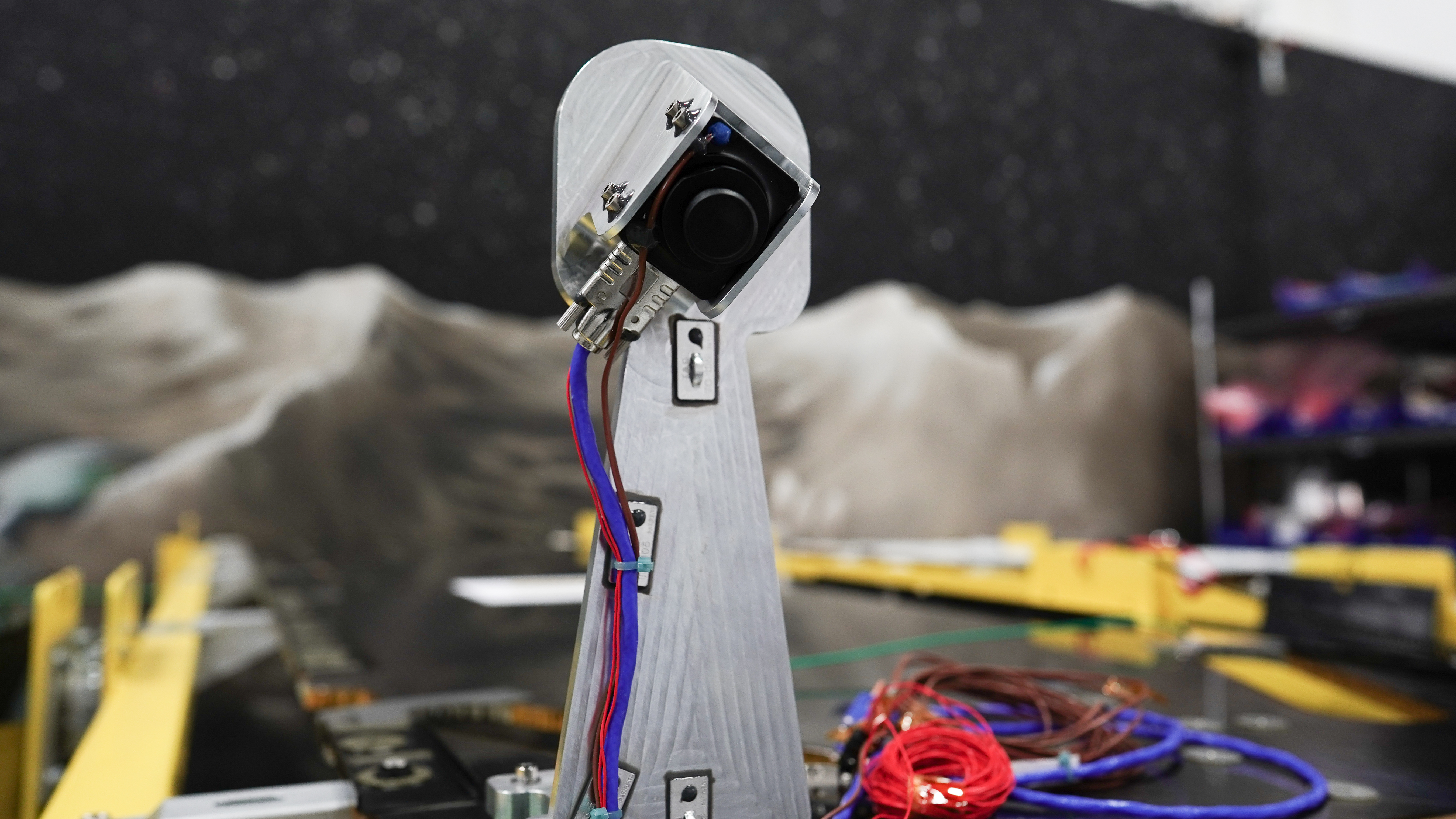
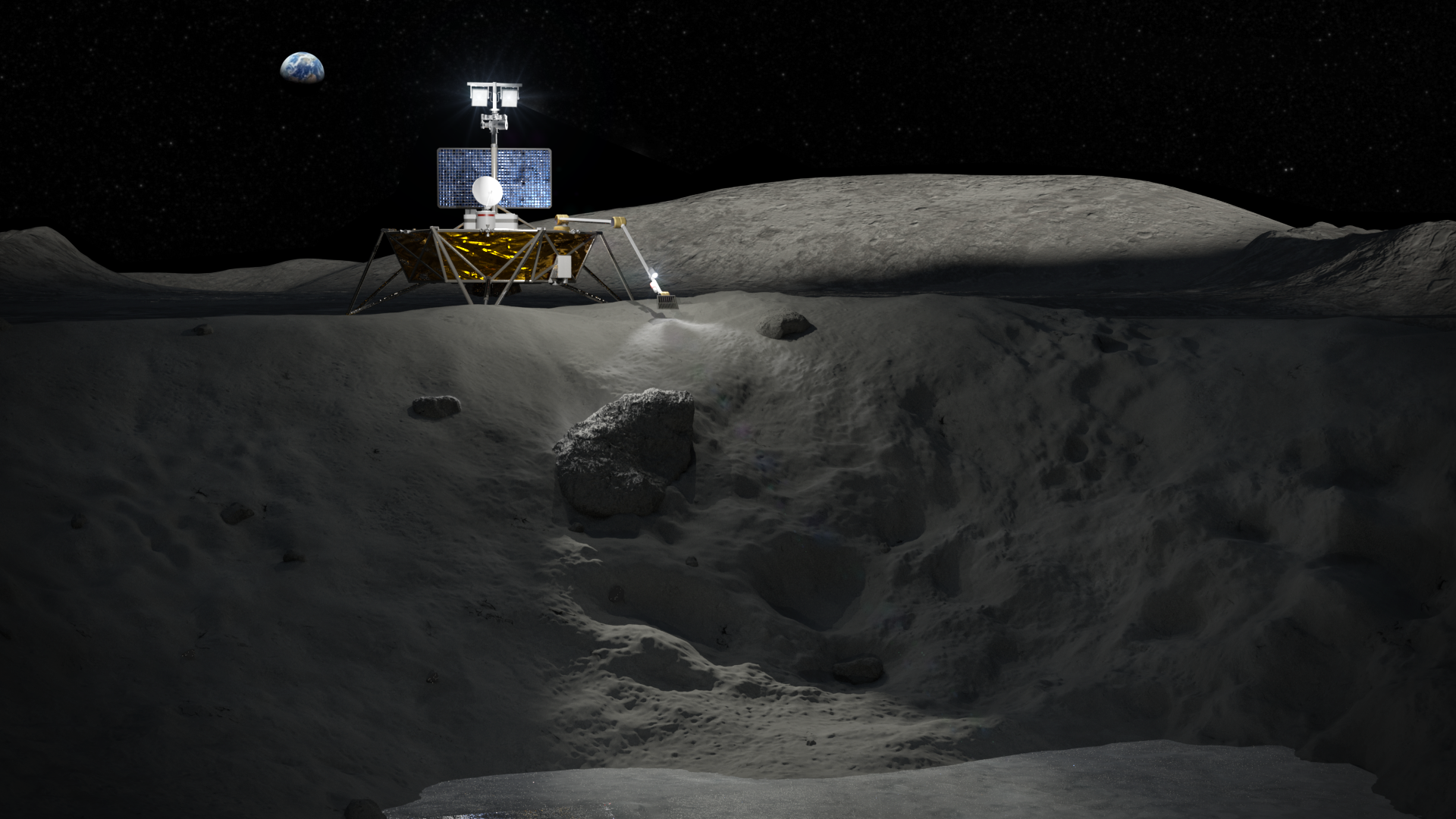
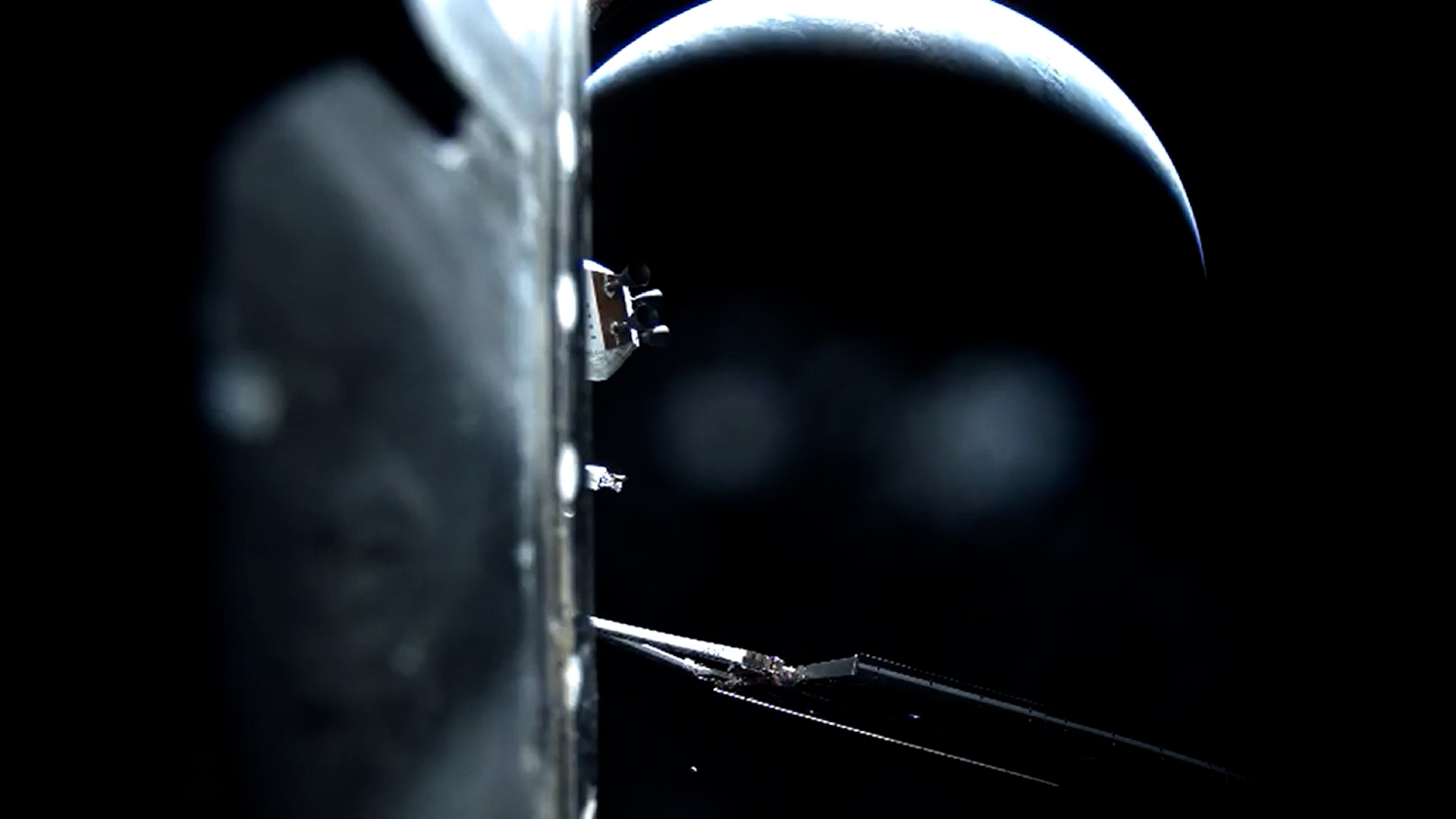
NASA's Stereo Cameras for Lunar Plume Surface Studies, or SCALPSS, collects imagery of the interaction between lunar lander systems and regolith on the Moon's surface.
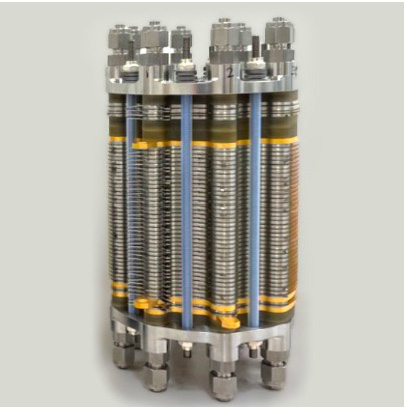
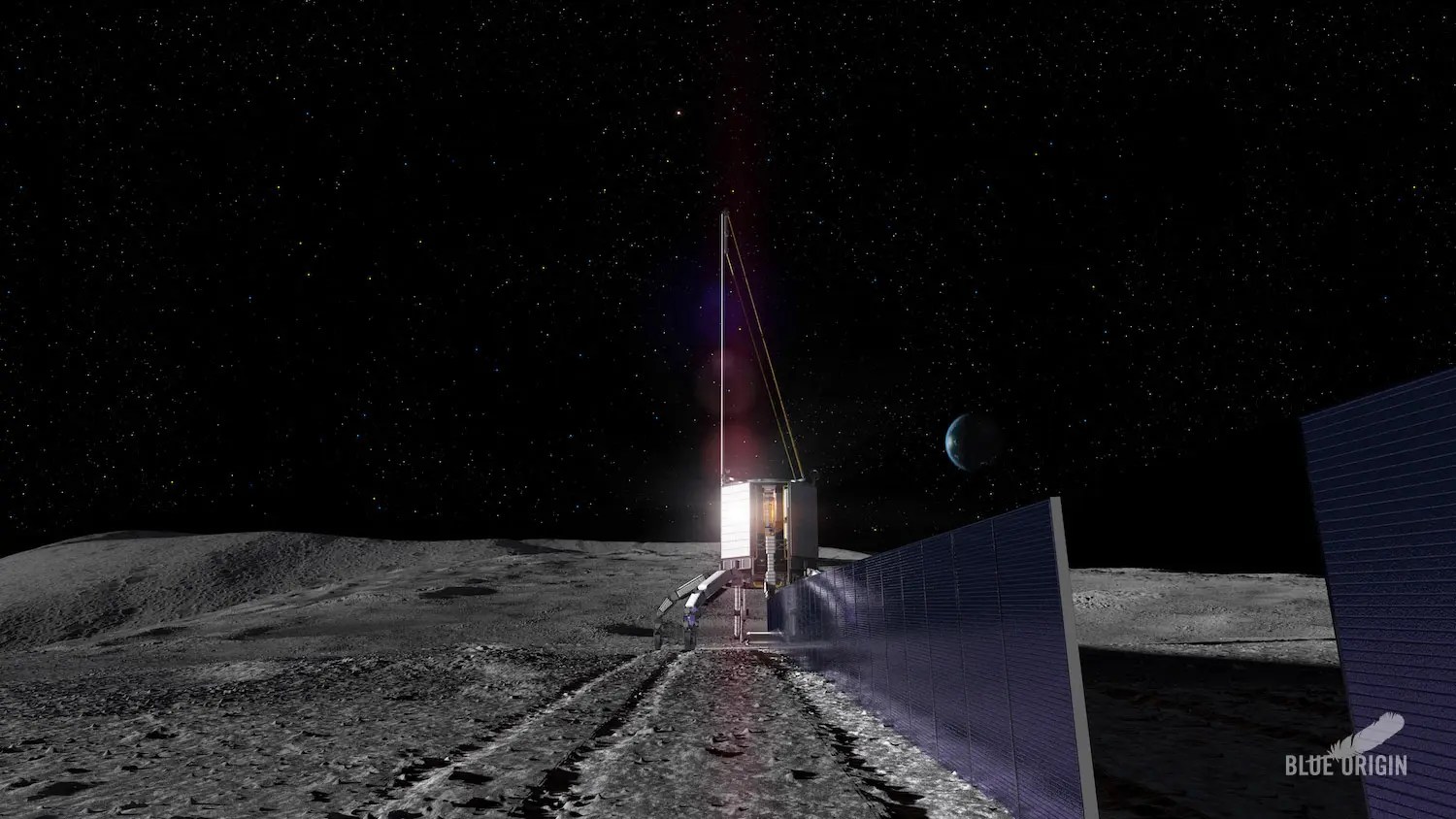
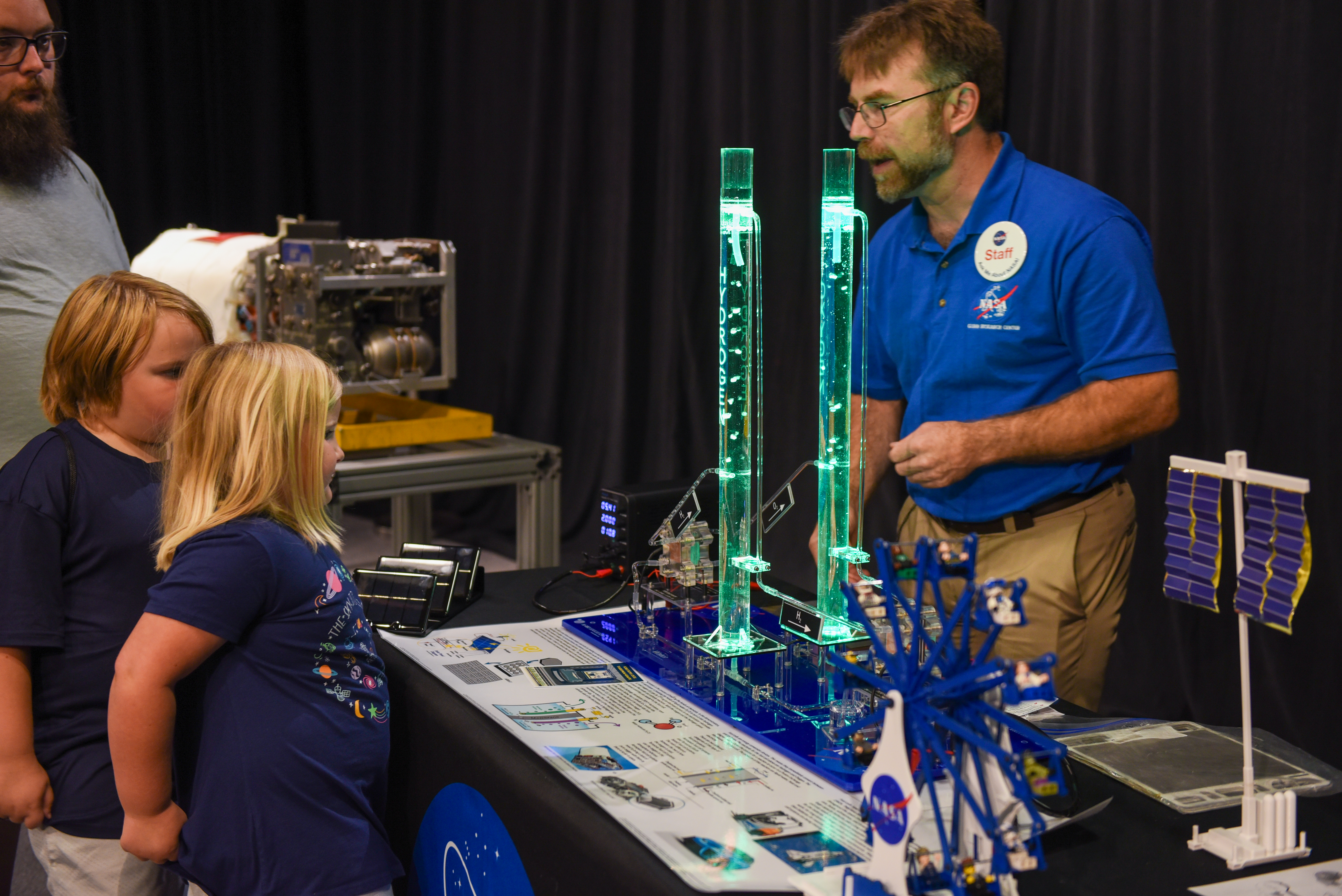
Regenerative (continuously rechargeable) Fuel Cells convert hydrogen and oxygen into electrical energy. The system is “recharged” with power from solar arrays.
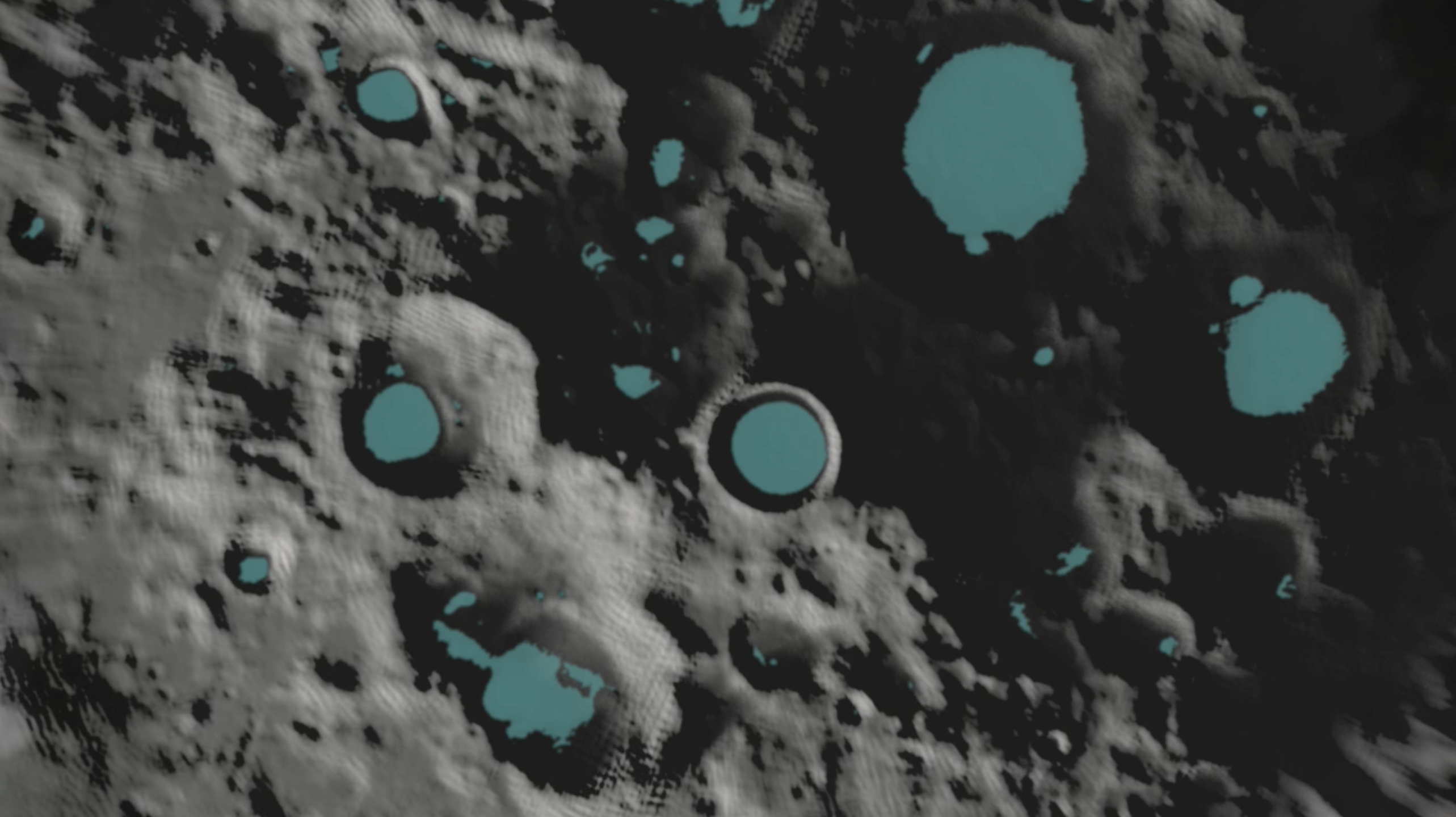
Combining Regenerative Fuel Cells with a Vertical Solar Array Technology enables supply and recharge of 10KW of power to permanently shadowed regions<br>on the Moon.

Temel Teknoloji Alanları:

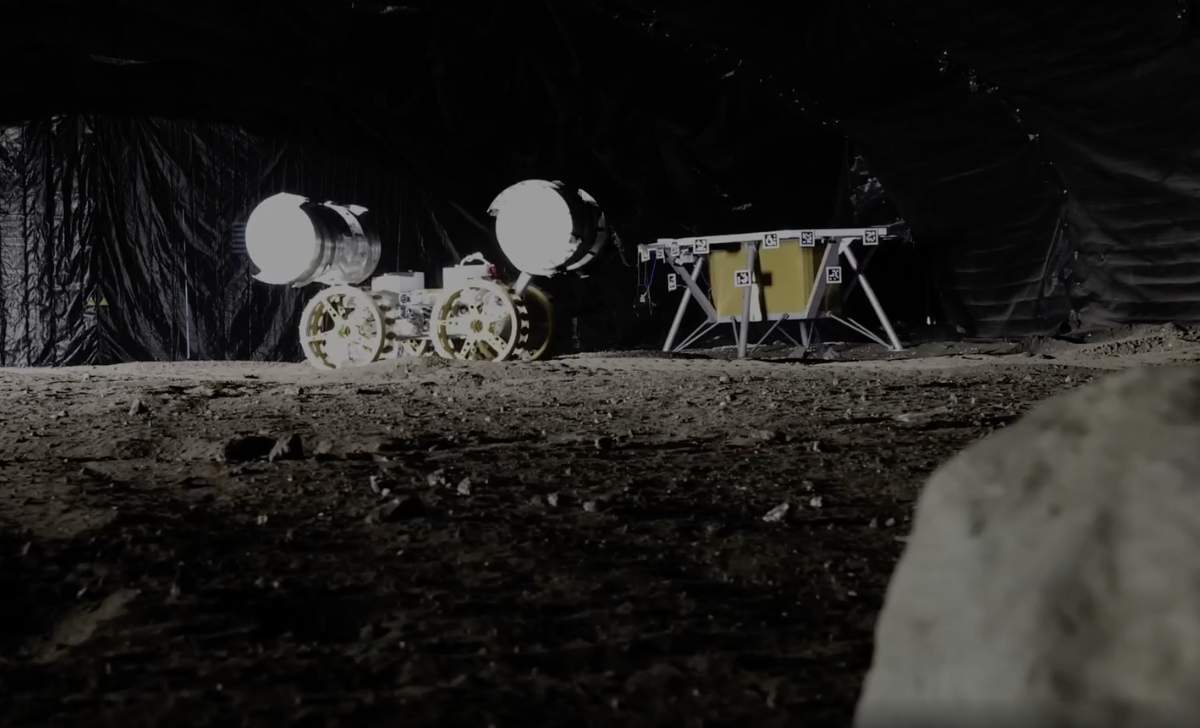
The Infrastructure Pilot Excavator (IPEx) is designed to reliably excavate and deliver a total of 10 metric tons of lunar regolith over the course of 100 meters and 11 days (200 times more than the state of art.)
NASA’s Bulk Metallic Glass Gear project developed special gearboxes to operate despite low temperatures in extreme environments — from the Moon to Mars to icy worlds such as Jupiter’s moon, Europa.
Lunar rovers, manipulators, and other systems must be equipped to operate throughout the full range of lunar surface conditions including lunar noon (up to 302 °F at the equator), night (down to -292 °F at the equator), multiple day/night cycles, and in permanently shadowed regions (down to -418 °F).

Altyapı Geliştirme: IPEx (Infrastructure Pilot Excavator), verimli bir şekilde Ay yüzeyindeki regolitü kazmak ve taşımak için tasarlanmış robotik bir kazıcı. Hem buldozer hem de damper kamyon görevi görerek, hafif, karşı dönen kova tamburları kullanıyor.

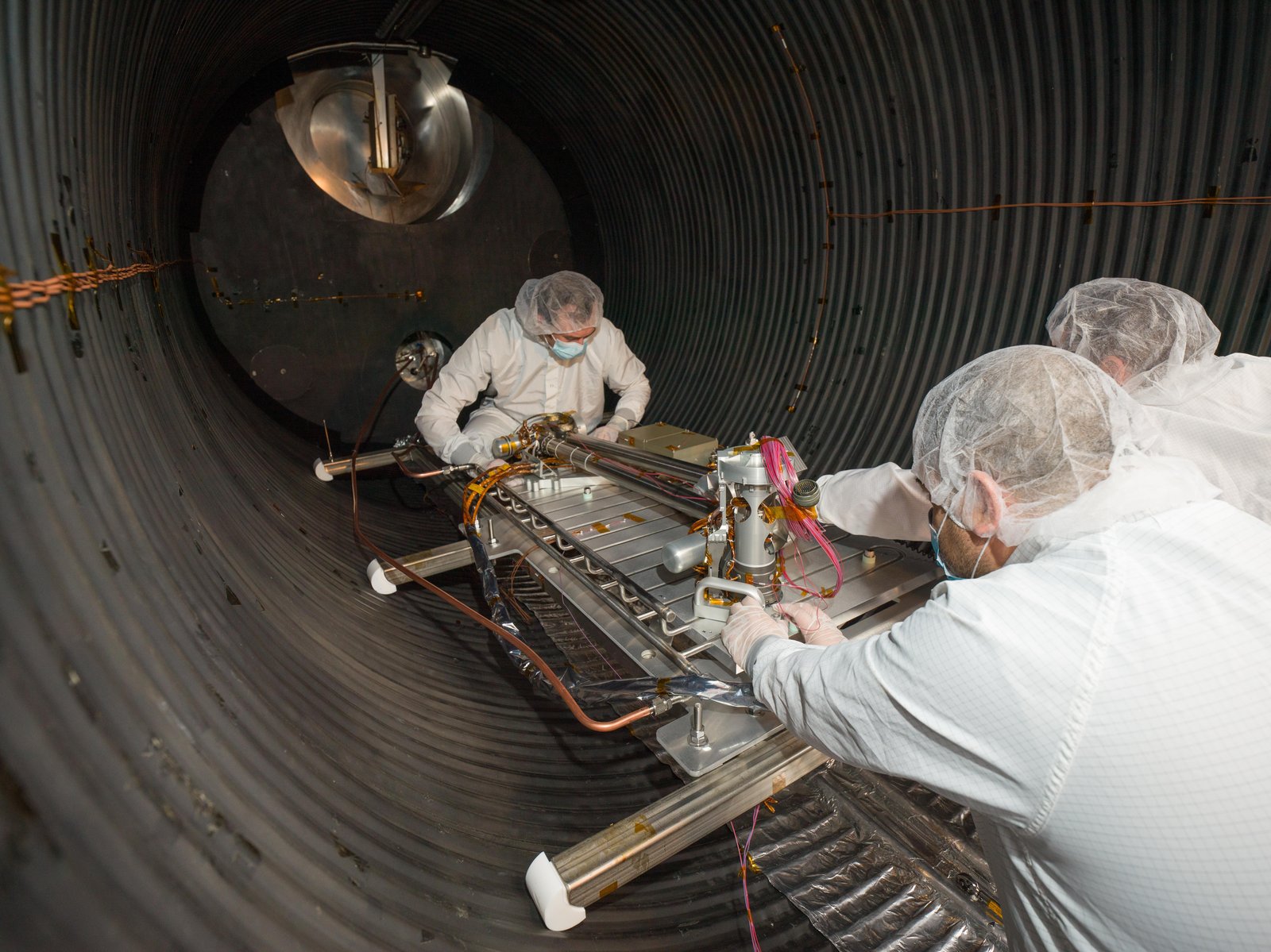
Two technicians in cleanroom attire work on a cylindrical component suspended horizontally inside a testing chamber.
A NASA staff member stands behind a table containing two green tubes of liquid with bubbles while talking with two young visitors and their father.
Lunar Surface Technology

Yerinde Kaynak Kullanımı (ISRU): Ay’da bulunan kaynakları kullanarak Dünya’dan gelen malzeme ihtiyacını azaltmayı hedefliyor. Bu, su buzu çıkararak oksijen üretmeyi ve regoliti inşaat malzemesi olarak işlemeyi içeriyor. Örnekler arasında Carbothermal Reduction Demonstration (CaRD), Blue Alchemist ve Molten Regolith Electrolysis Tech Maturation (MRE) yer alıyor.
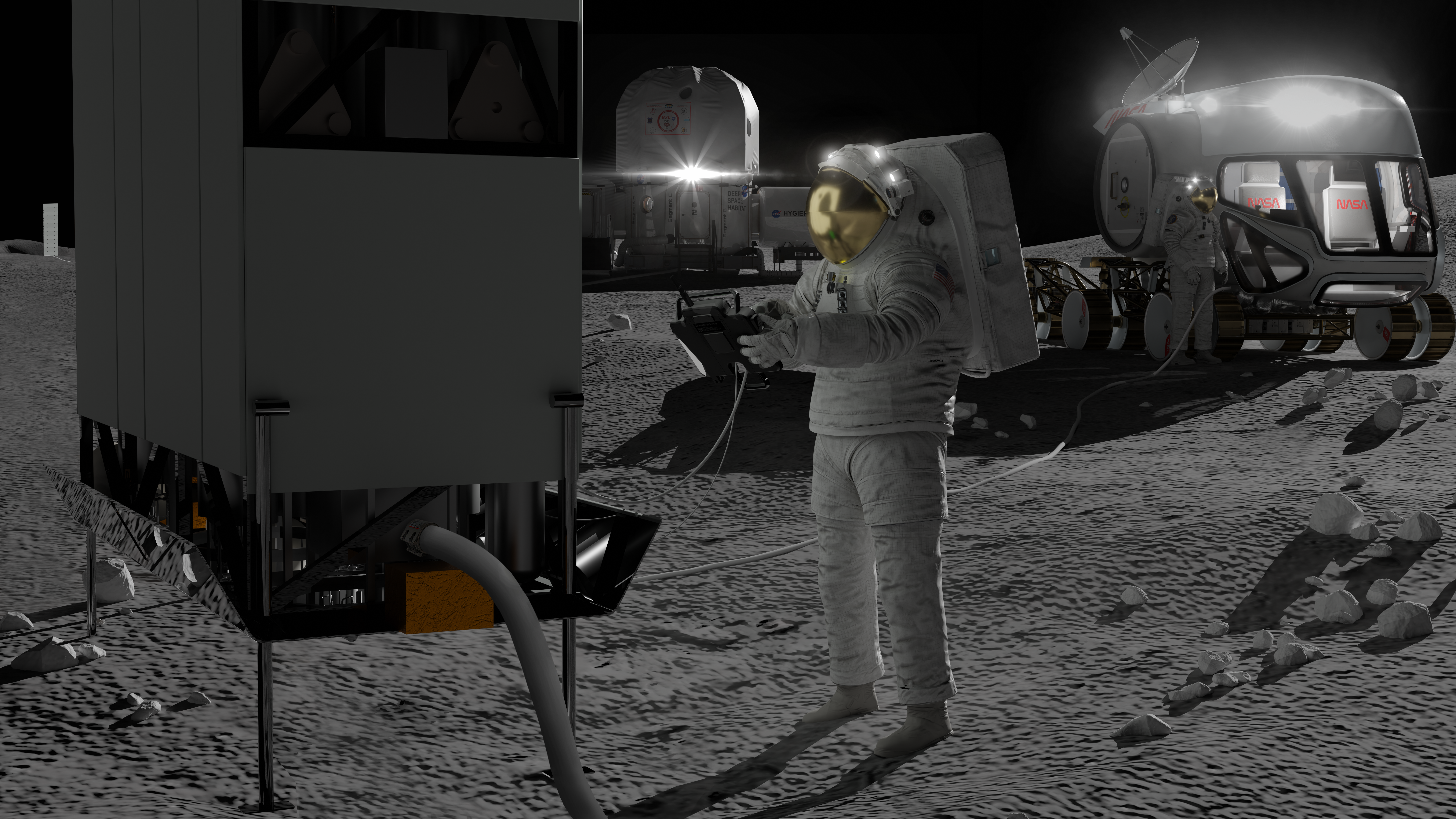
Astronaut on working on the lunar surface.
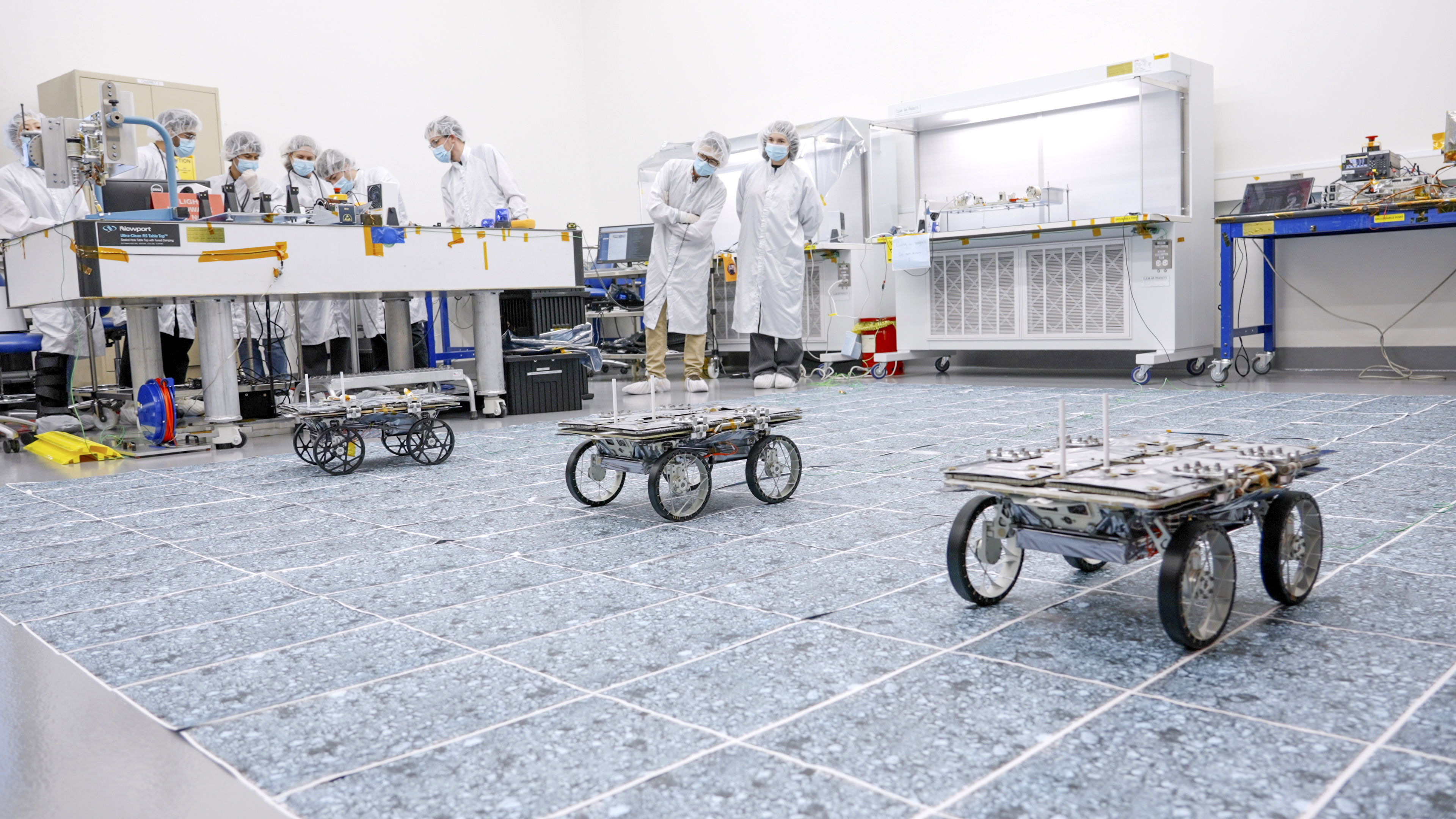
Three small rovers that will explore the Moon together
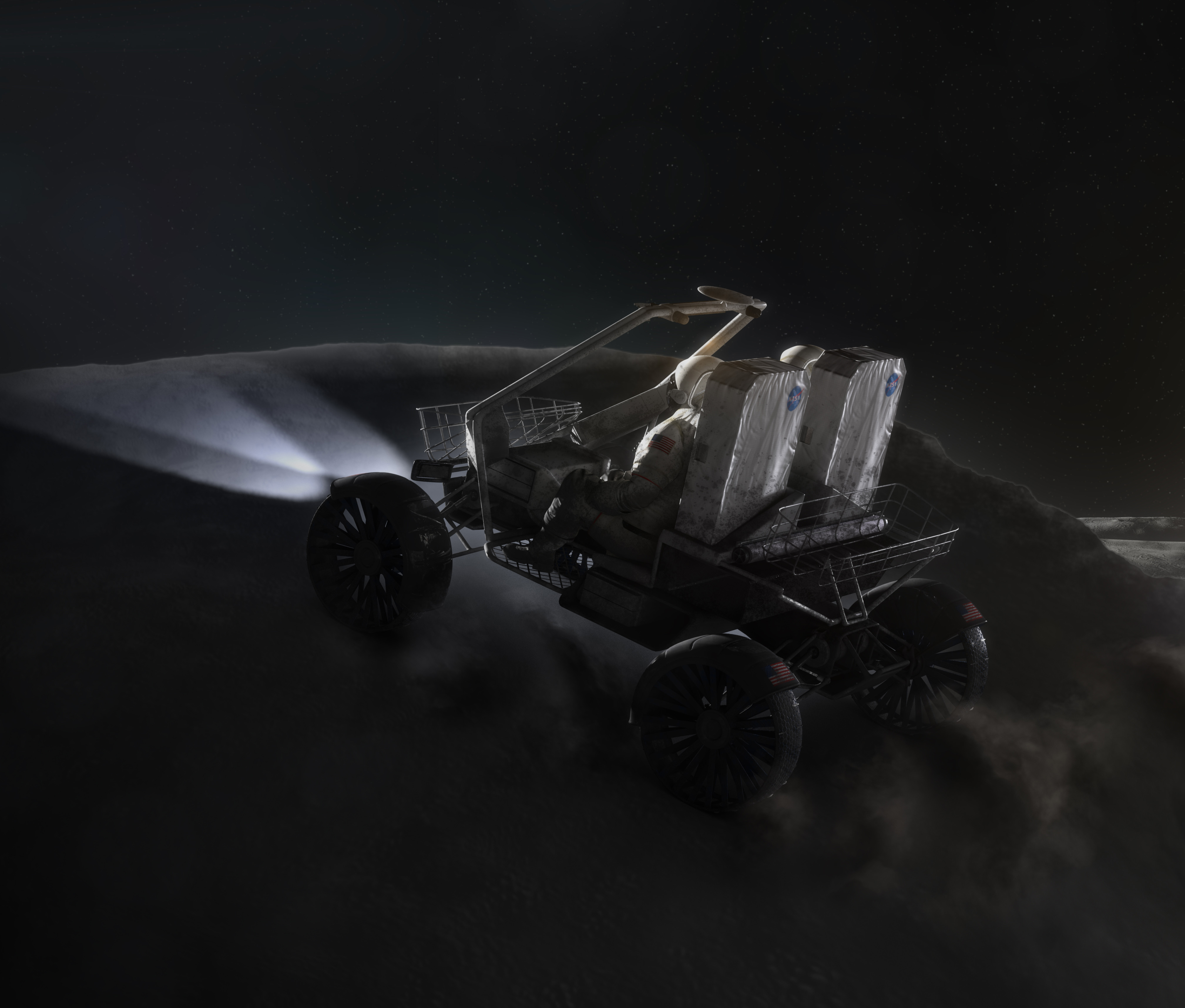
Artist’s concept of a lunar terrain vehicle on the surface of the Moon climbing a hill with an astronaut driving.
Engineers moving the COLDArm through a vacuum chamber.
Lunar Surface Technology
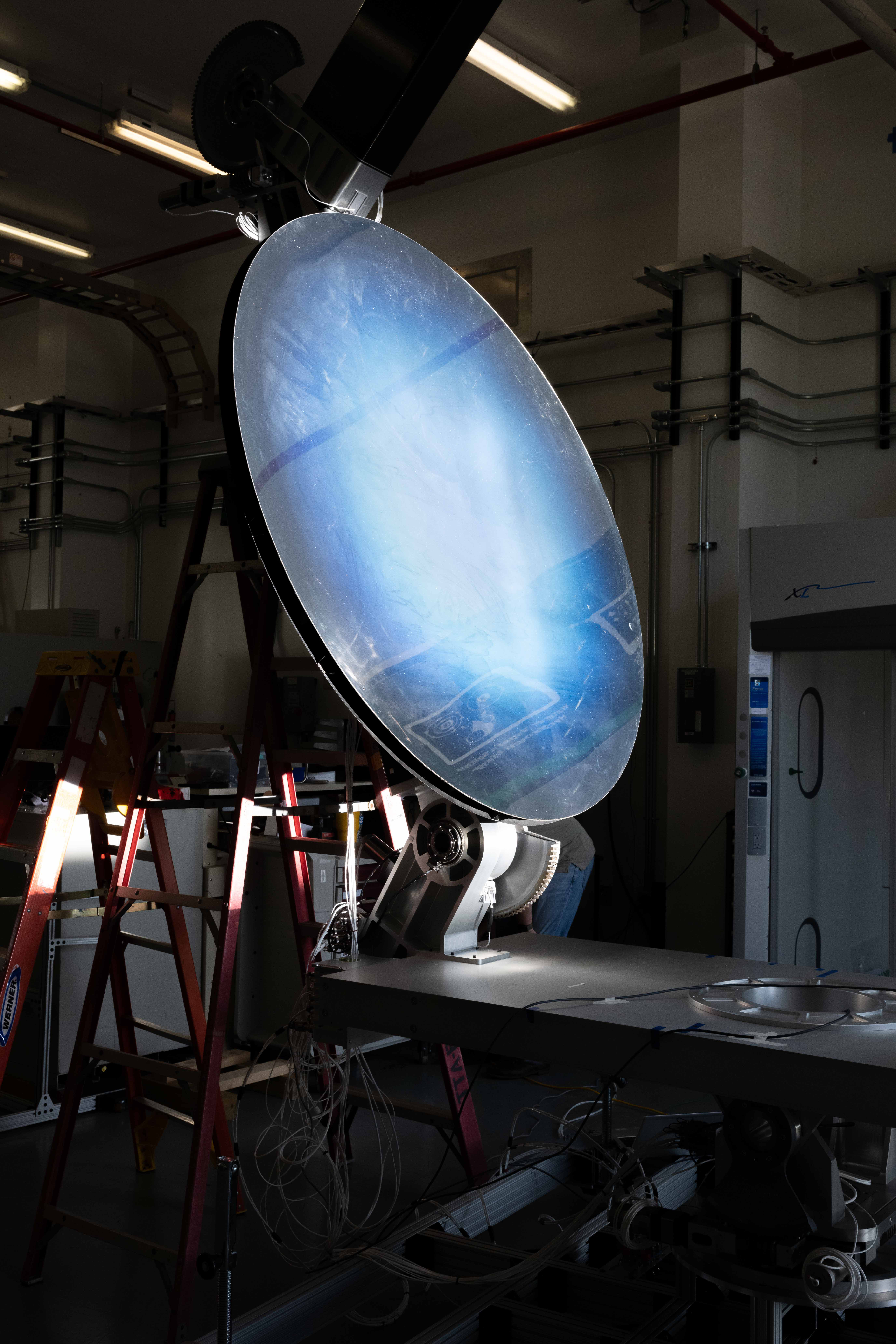
Light shines onto a mirror-like solar concentrator resting on a workbench. The concentrator is tilted upward around 45 degrees to catch the light. Its surface is black at the edges, and as you move inward, it goes from a deep blue to white.
Artist rendition of the ISRU providing power on the lunar surface.
Lunar Surface Technology

Çevresel Adaptasyon: Aşırı Ay sıcaklıklarına, toz sorununa ve ekipmanların zorlu koşullarda çalışmasını sağlamaya yönelik çözümler geliştiriliyor. Bu teknolojiler arasında termal yönetim sistemleri, toz kalkanları ve özel malzemeler bulunuyor.
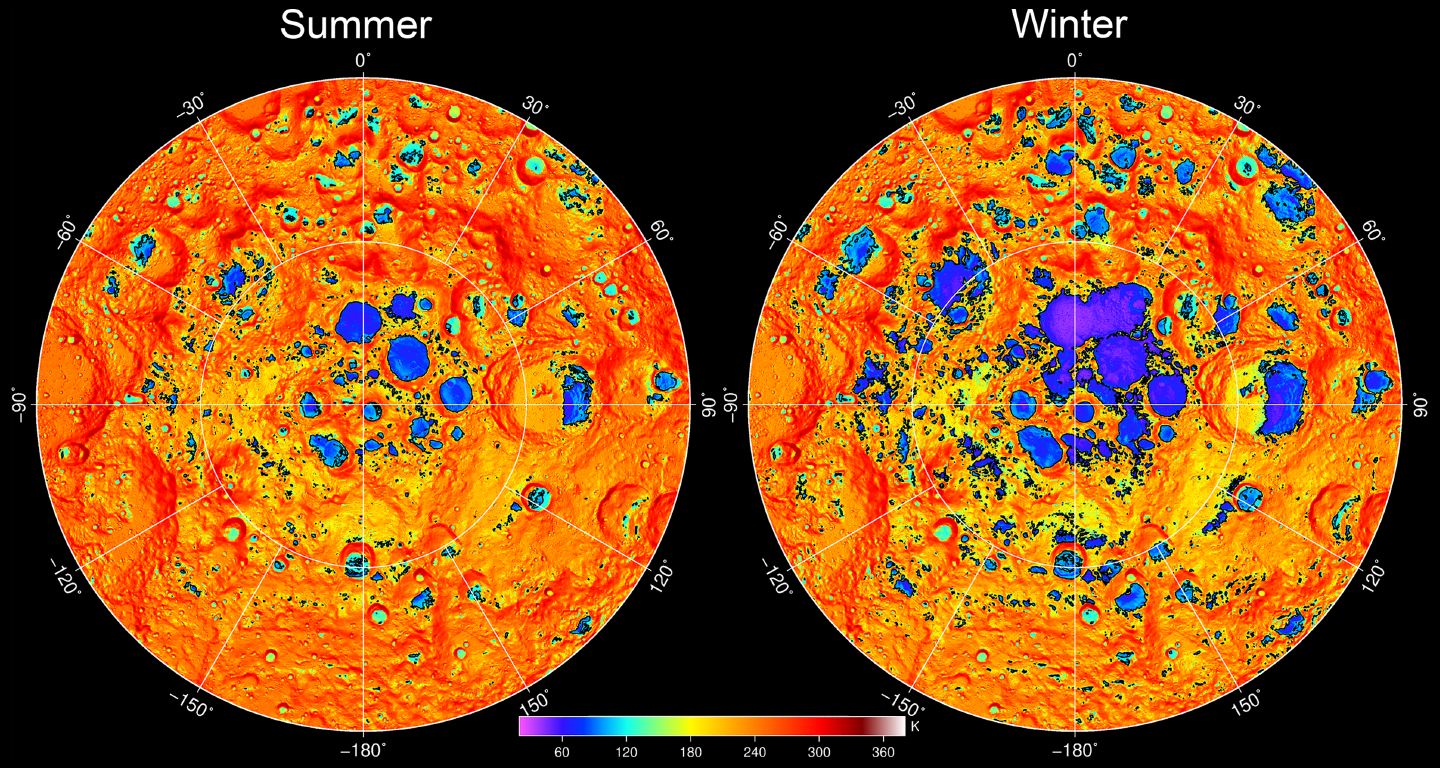
Summer and Winter Temperature changes.
NASA Cameras
Lunar Surface Technology
Moon Base Cover
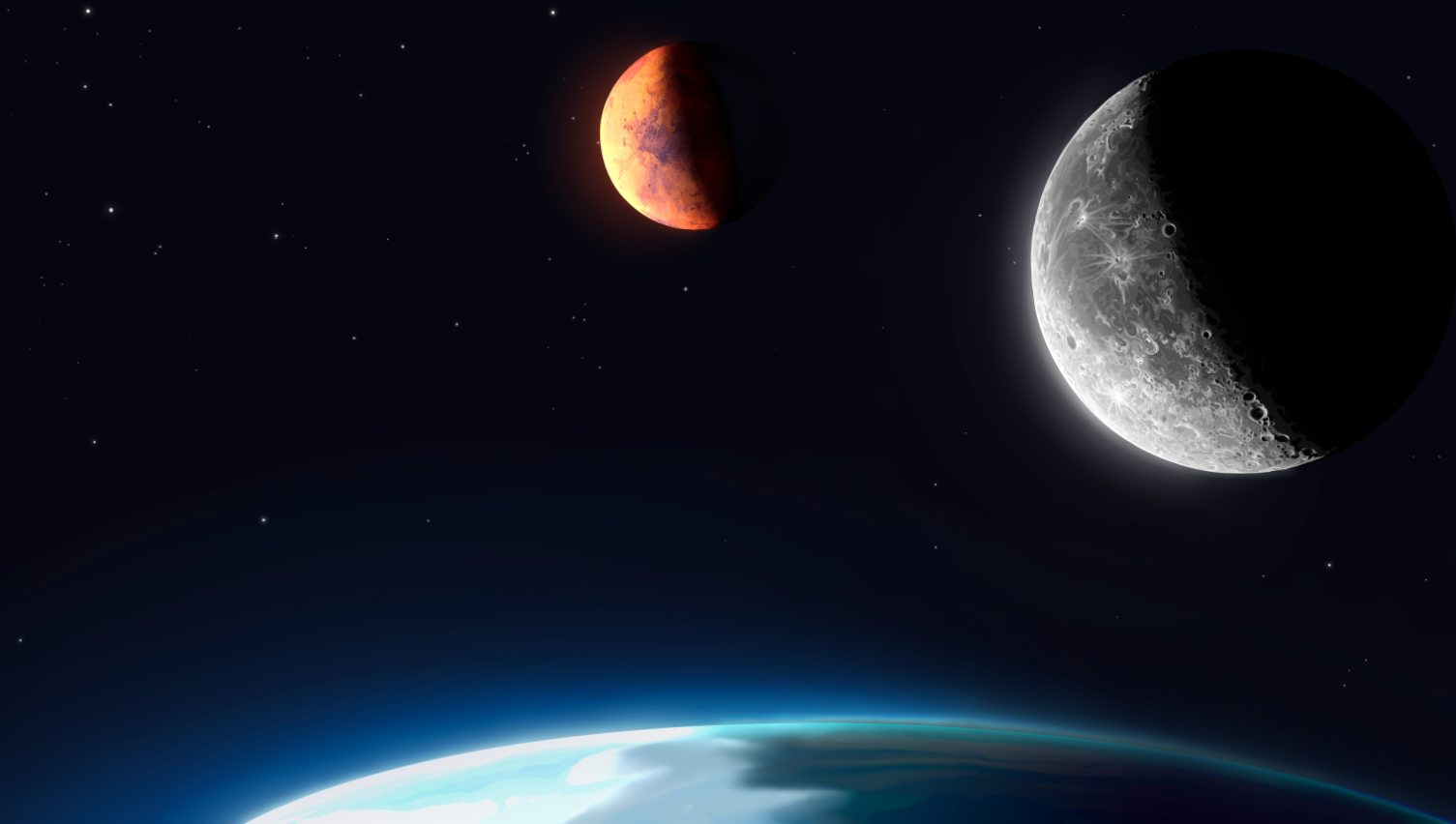
An artist’s concept of the Moon (right) and Mars (center) against the starry expanse of space. A sliver of the Earth’s horizon can be seen in the foreground.
An orbital sunrise bursts above Earth's horizon and begins to illuminate the atmosphere in this photograph taken at approximately 4:11 a.m. local time from the International Space Station as it orbited 262 miles above the Pacific Ocean.
Anjie Emmett

İletişim, Konumlandırma, Navigasyon ve Zamanlama: Güvenli ve verimli keşif için güvenilir iletişim bağlantıları ve hassas navigasyon sistemleri geliştiriliyor. Otonom operasyonlar, veri işleme için gelişmiş aviyonik ve yüksek performanslı bilgisayar sistemleri kritik öneme sahip.

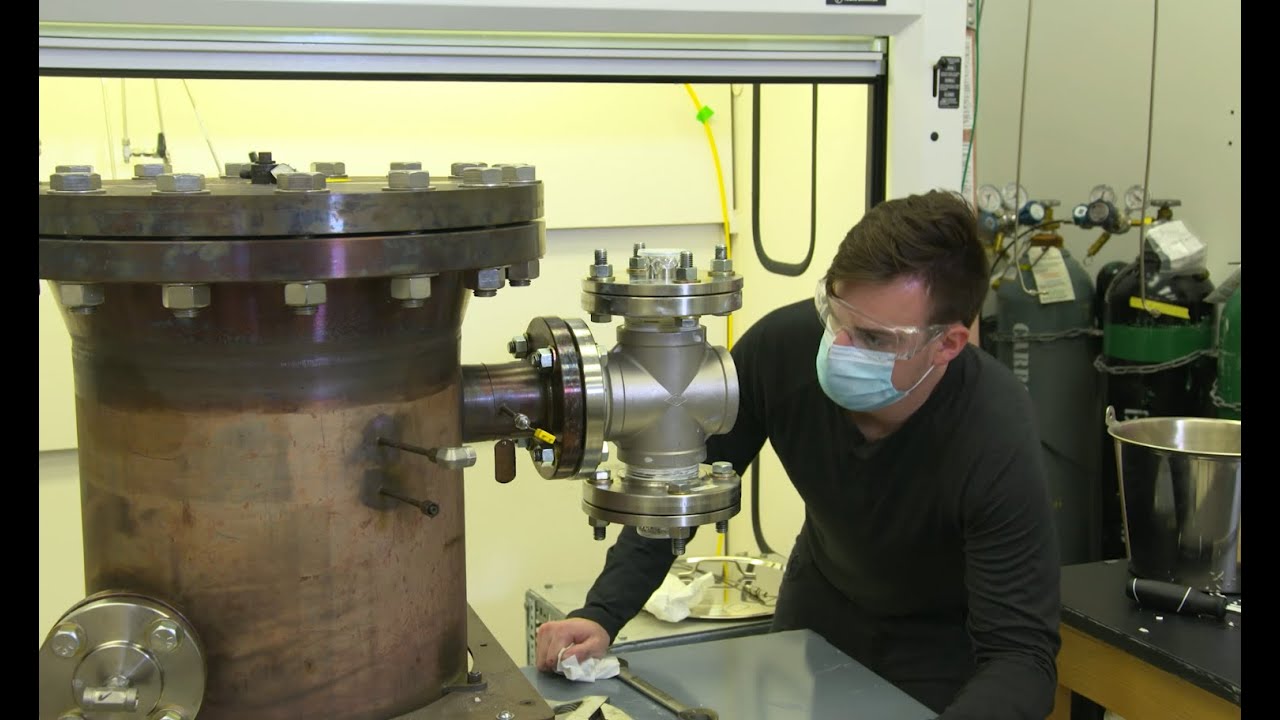
Prital Johnson
Kevin Grossman looks at a piece of equipment
Bob Carter
Lindsay Kaldon
Jason Frieman
Beau Compton
Wanessa Priesmeyer
Lauren Ameen
Paromita Mitra

Ay Üssü: Sürdürülebilir bir insan varlığı, bilimsel araştırma için kalıcı bir Ay üssü konsepti merkezde yer alıyor. Nitekim, bu kapsamlı proje, gelecekteki derin uzay görevleri için de önemli teknolojik zemin oluşturuyor.
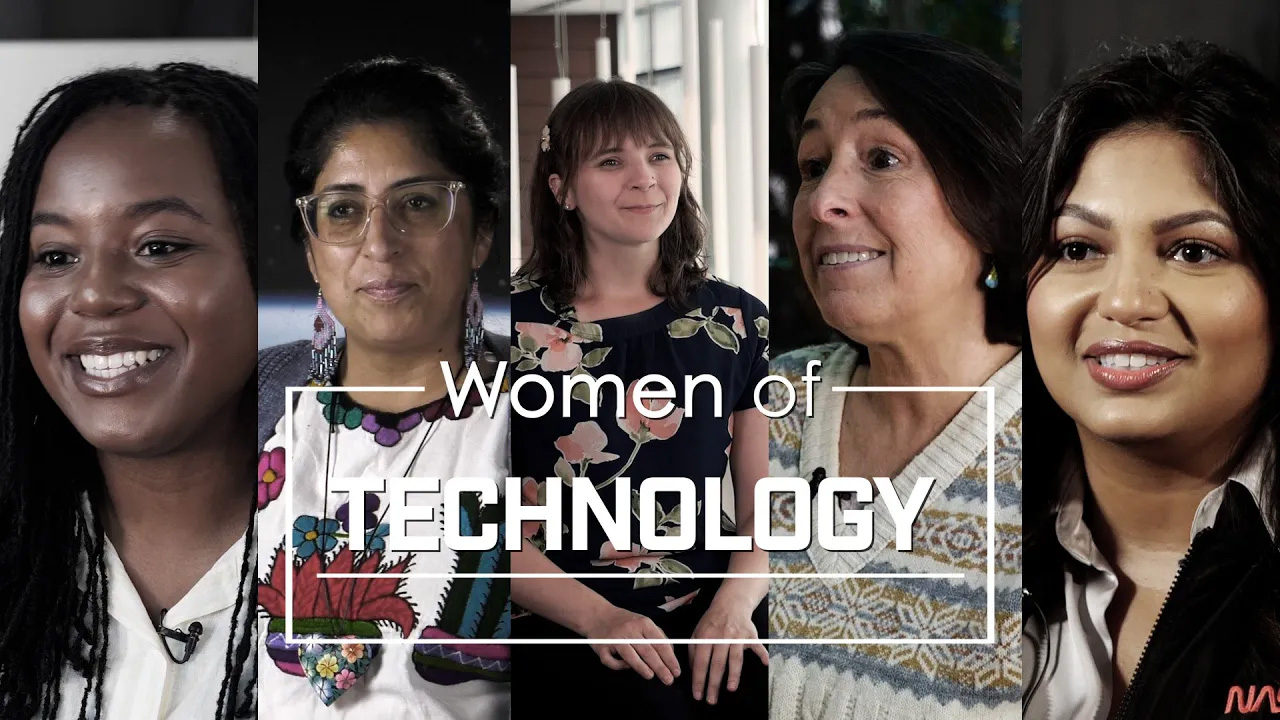
Celebrating women of technology
Angela Herblet
Kellin Slater
Amber Soja
Emily Gargulinkski
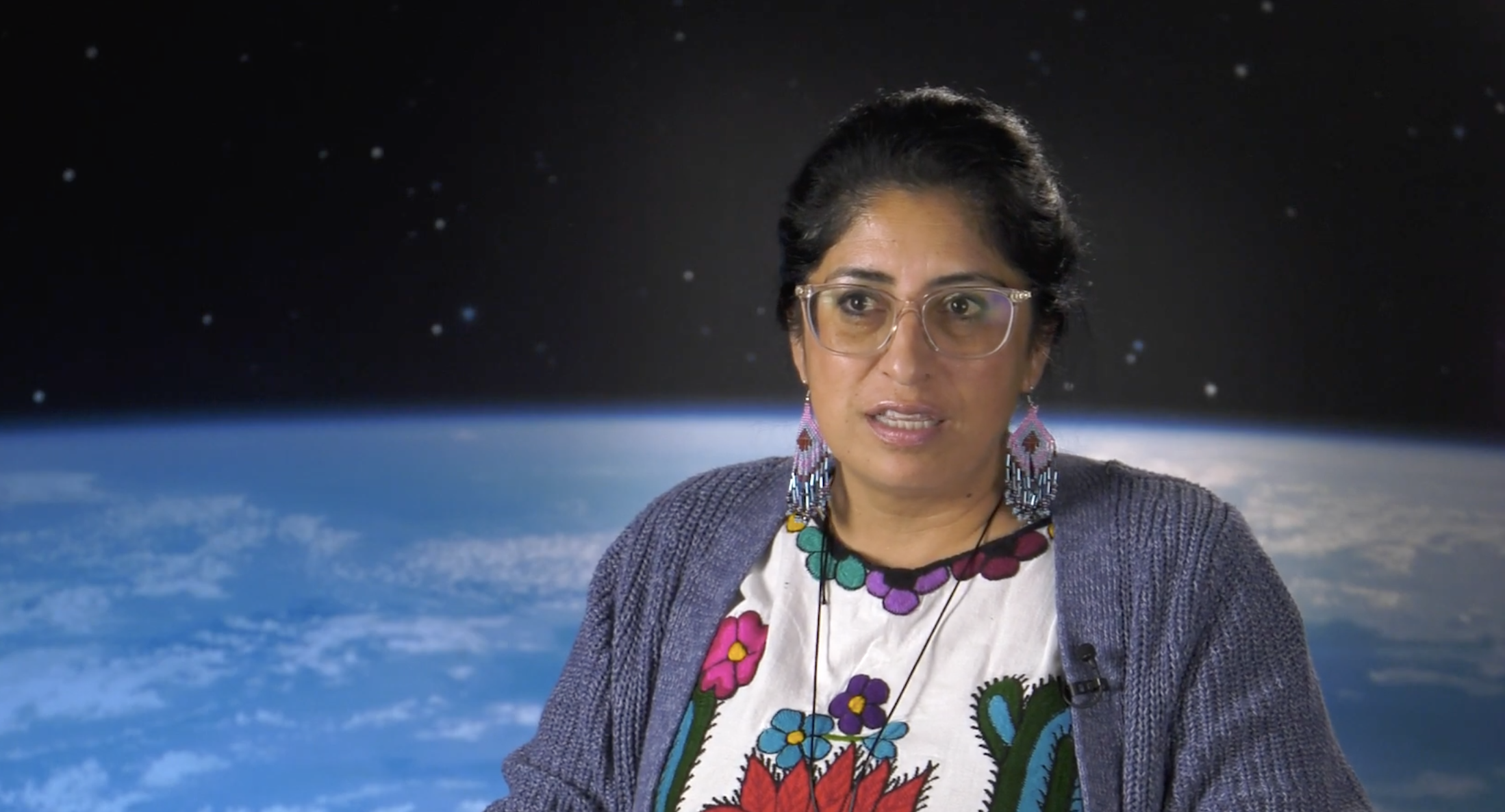
Ali Guarneros Luna

Öne Çıkan Teknolojiler:

  • Robotik ve Kazıcı Sistemler: IPEx, regolit üretimi için Mason.
  • Kaynak Çıkarma: Carbothermal reduction, Blue Alchemist, Molten Regolith Electrolysis.
  • Toz Azaltma: Electrodynamic Dust Shield (EDS), Stereo Cameras for Lunar-Plume Surface Studies (SCALPSS).
  • Termal Yönetim: PALETTE (Planetary and Lunar Environment Thermal Toolbox Elements).
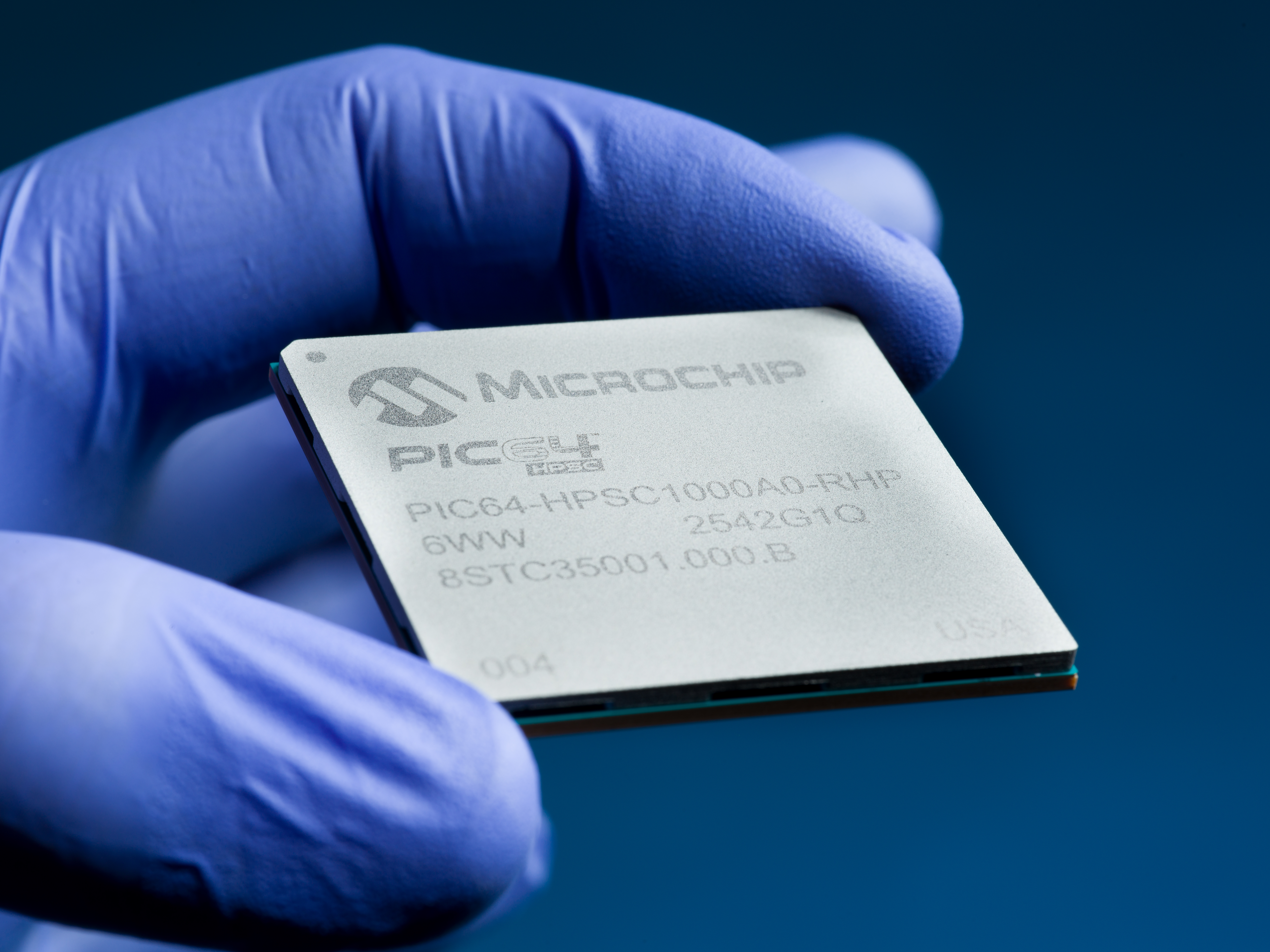
  • Gelişmiş Bilgisayar Sistemleri: High Performance Spaceflight Computing (HPSC).

İşbirlikleri ve Ortaklıklar: NASA, teknoloji geliştirmeyi hızlandırmak için endüstri, devlet kurumları, akademik çevreler ve uluslararası ortaklarla aktif olarak işbirliği yapıyor. Lunar Surface Innovation Consortium (LSIC), Ay keşfi ekosistemindeki işbirliğini teşvik ediyor.


Genel Hedefler:
Lunar Surface Technology
  • Ay’da sürdürülebilir bir insan varlığı kurmak.
  • Ay kaynaklarını kullanarak Dünya’dan gelen malzeme ihtiyacını azaltmak.
  • Gelecekteki derin uzay görevleri için teknolojiler geliştirmek, örneğin Mars.